




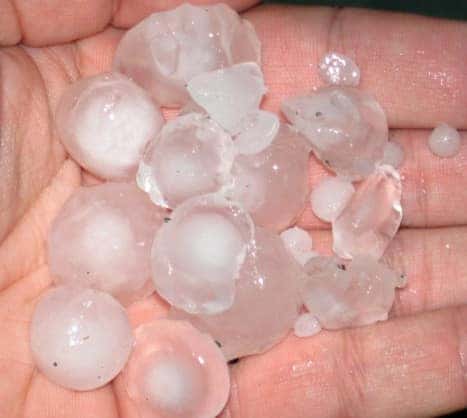
Why Buying a Hail-Damaged Vehicle Can Cost You More in the Long Run
At first glance, a hail-damaged vehicle may seem like a great deal. Lower upfront pricing can be appealing, especially for budget-conscious shoppers. However, the reality is that these vehicles often come with hidden risks, long-term expenses, and reduced value that can outweigh any initial savings.
1. Hidden Structural and Cosmetic Damage
Hail damage isn’t always just cosmetic. While dents and dings may seem minor, severe storms can compromise panels, paint, and even underlying structural components. Over time, this damage can lead to rust, paint failure, and additional repair costs that weren’t obvious at purchase.
2. Lower Resale Value
One of the biggest financial drawbacks is depreciation. Hail-damaged vehicles typically carry a branded or diminished title history, which significantly reduces resale or trade-in value. Even if repairs are made, the damage record remains, making it harder to recoup your investment.
3. Insurance Challenges
Insuring a hail-damaged vehicle can be complicated. Some insurers may limit coverage or refuse comprehensive policies altogether. This means you could face higher premiums or reduced protection in the event of future damage.
4. Costly Repairs Add Up Quickly
Paintless dent repair and repainting can be expensive, easily costing thousands of dollars, especially if damage is widespread. What starts as a “discounted” purchase can quickly turn into a costly repair project. In many cases, the total investment approaches or exceeds the price of a comparable undamaged vehicle.
5. Financing Limitations
Lenders may be hesitant to finance vehicles with existing damage. This can result in higher interest rates, larger down payments, or fewer financing options overall.
6. Reduced Aesthetic Appeal
You want to be proud to drive your new vehicle around, right? Even after repairs, hail-damaged vehicles may not fully regain their original appearance. Imperfections in paint or panel alignment can affect pride of ownership and long-term satisfaction.
Explore Better Alternatives than a Hail-Damaged Vehicle
Instead of taking on the risks associated with hail-damaged vehicles, consider exploring high-quality new and pre-owned inventory:
- Browse New Inventory
- Browse Used Inventory
- Contact Our Team
- Apply for Financing
- Join Spitzer VIP Program
Looking for a specific model? Explore current availability:
At Spitzer Automotive Group, we prioritize transparency, quality, and long-term value—helping you make a confident, informed purchase.
Frequently Asked Questions About Hail-Damaged Vehicles
Are hail-damaged vehicles safe to drive?
While small dents are cosmetic, severe hail can compromise the structural integrity of the pillars and the seals around the windshield and rear glass, potentially leading to leaks or glass failure during a collision.
Is it cheaper to buy a hail-damaged car?
While the upfront price may be lower, repair costs, insurance challenges, and reduced resale value often make it more expensive long-term.
Can hail damage be fully repaired?
Minor dents can often be repaired, but extensive damage may require repainting or panel replacement, which can cost thousands of dollars and may not fully restore the vehicle.
Will insurance cover a hail-damaged vehicle?
Coverage varies by provider. Some insurers may limit coverage or charge higher premiums for vehicles with pre-existing hail damage.
Can I get full coverage insurance on a car with existing hail damage?
It is extremely difficult. Most insurance carriers will exclude comprehensive coverage for any vehicle with pre-existing damage, or they may refuse to insure the vehicle entirely until repairs are certified by a professional body shop.
Will a hail-damaged car have a branded title?
If the cost of repair exceeded a certain percentage of the vehicle’s value (usually 70-80%) and an insurance company declared it a “total loss,” the vehicle will have a salvage or rebuilt title, which significantly lowers its market value and makes it harder to finance.
Is Paintless Dent Repair (PDR) always an option for hail damage?
No. If the hail was large enough to crack the paint or if the dents are located on body lines or structural supports, expensive traditional bodywork and repainting will be required, often costing more than the “savings” from the initial purchase.